
Global Issues
To its initial goals of safeguarding peace, protecting human rights, establishing the framework for international justice and promoting economic and social progress, in the seven decades since its creation the United Nations has added on new challenges, such as AIDS, big data and climate change.
While conflict resolution and peacekeeping continue to be among its most visible efforts, the UN, along with its specialized agencies, is also engaged in a wide array of activities to improve people’s lives around the world – from disaster relief, through education and advancement of women, to peaceful uses of atomic energy.
This section offers an overview of some of these issues, and links to other resources, where you can get additional information.


Africa
The UN system plays a crucial role in coordinating assistance of all kinds — to help Africa help itself. From promoting the development of democratic institutions, to the establishment of peace between warring nations, the UN is present on the ground supporting economic and social development and the promotion and protection of human rights.

Ageing
The world’s population is ageing: virtually every country in the world is experiencing growth in the number and proportion of older persons in their population. The number of older persons has increased substantially in recent years in most countries and regions, and that growth is projected to accelerate in the coming decades, but its sustained rise may peak by the end of the century.

AIDS
Since the beginning of the epidemic, 88.4 million people have become infected with HIV and 42.3 million people have died from AIDS-related illnesses. World leaders have pledged to cut HIV infections to below 370,000 a year by 2025. However, new infections are still high at 1.3 million in 2023 – more than three times the target.

Artificial Intelligence (AI)
Artificial intelligence (AI) has rapidly evolved since the mid-twentieth century, transforming various aspects of our world and has the potential to significantly support the UN by promoting inclusivity, reducing inequalities, and advancing around 80% of the Sustainable Development Goals (SDGs).
Atomic Energy
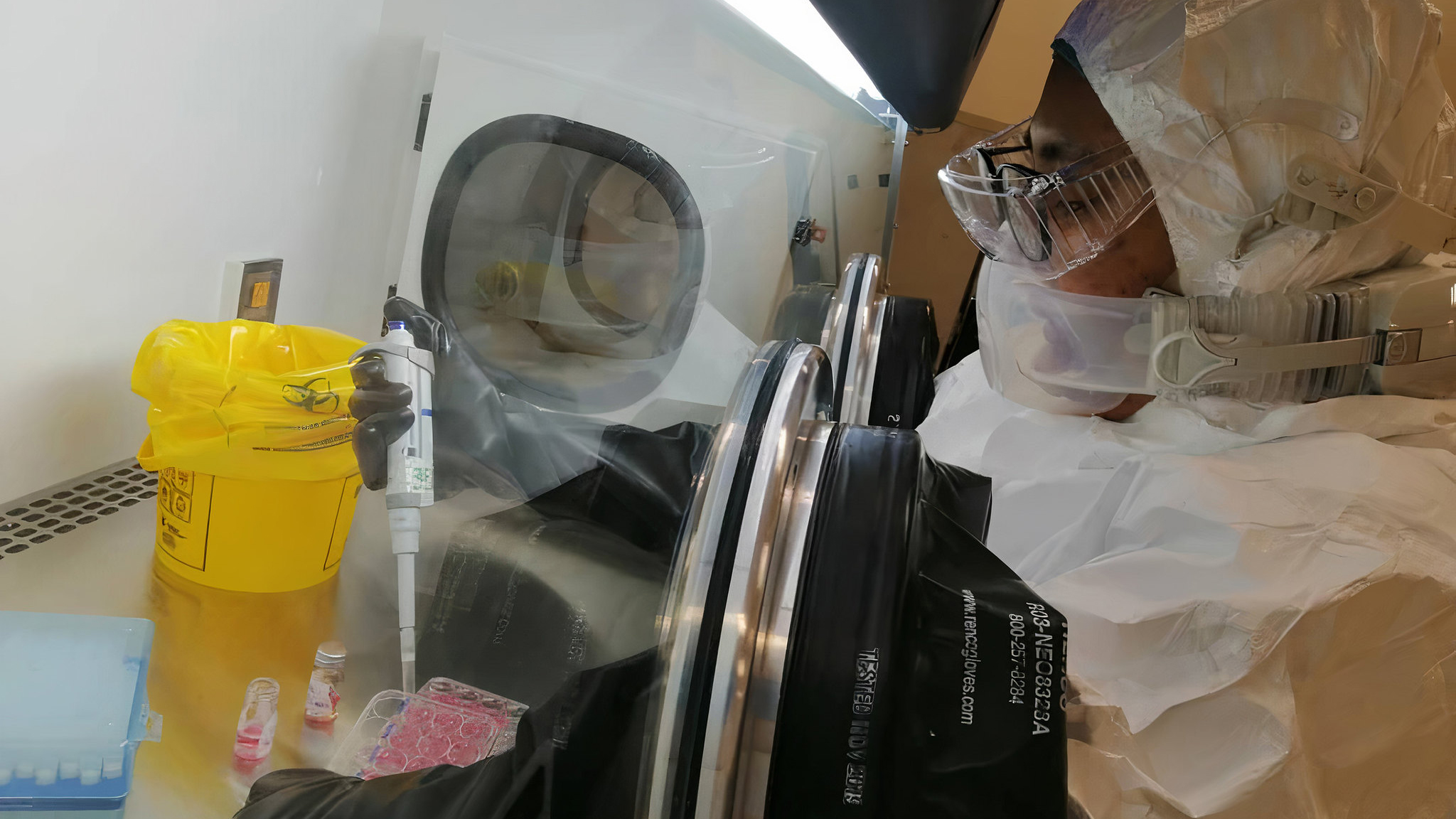
More than 30 countries worldwide are operating 417 nuclear reactors for electricity generation and 62 nuclear power reactors are under construction. The United States, China and France were the top three nuclear power producers in 2023.

Big Data for Sustainable Development
The volume of data in the world is increasing exponentially. New sources of data, new technologies, and new analytical approaches, if applied responsibly, can allow to better monitor progress toward achievement of the SDGs in a way that is both inclusive and fair.
Child and Youth Safety Online
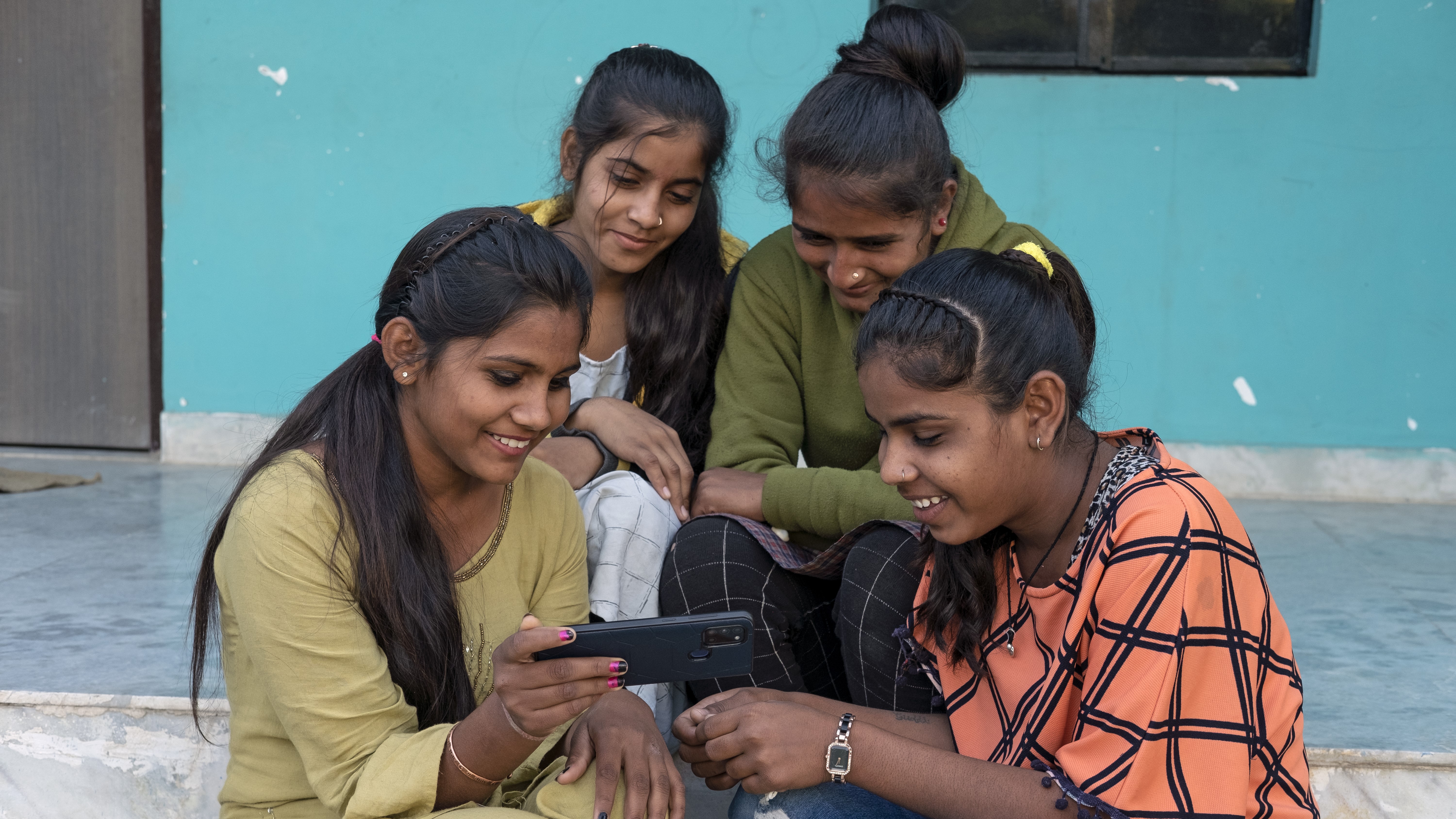
Rising Internet connectivity has the potential to transform children and young people’s lives for the better, but also makes them vulnerable to sexual abuse, cyberbullying, and other risks. The UN is actively working to protect children and youth online through various programmes and initiatives.
Children
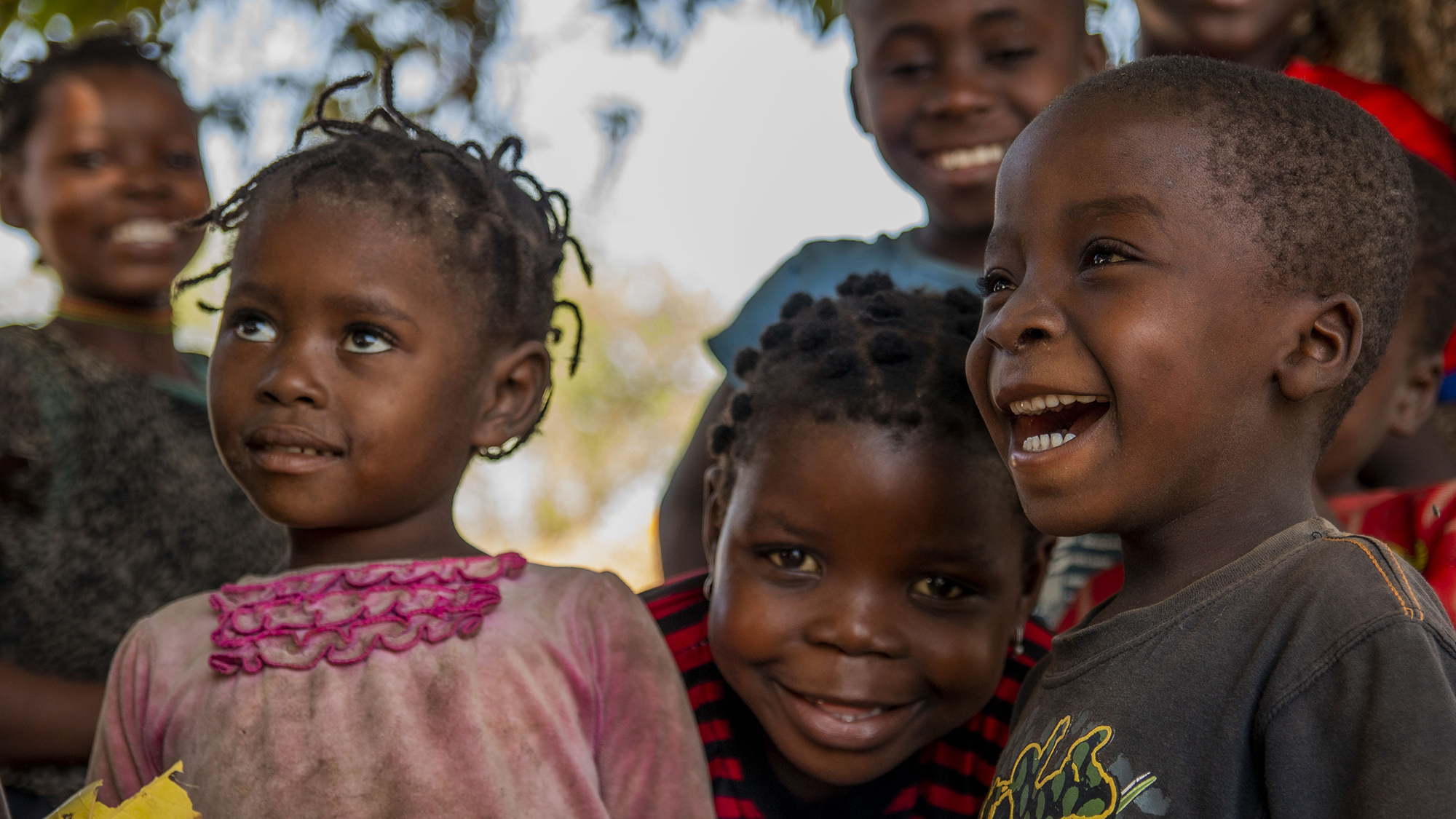
Every child has the right to health, education and protection, and every society has a stake in expanding children’s opportunities in life. Yet, around the world, millions of children are denied a fair chance for no reason other than the country, gender or circumstances into which they are born.
Climate Change
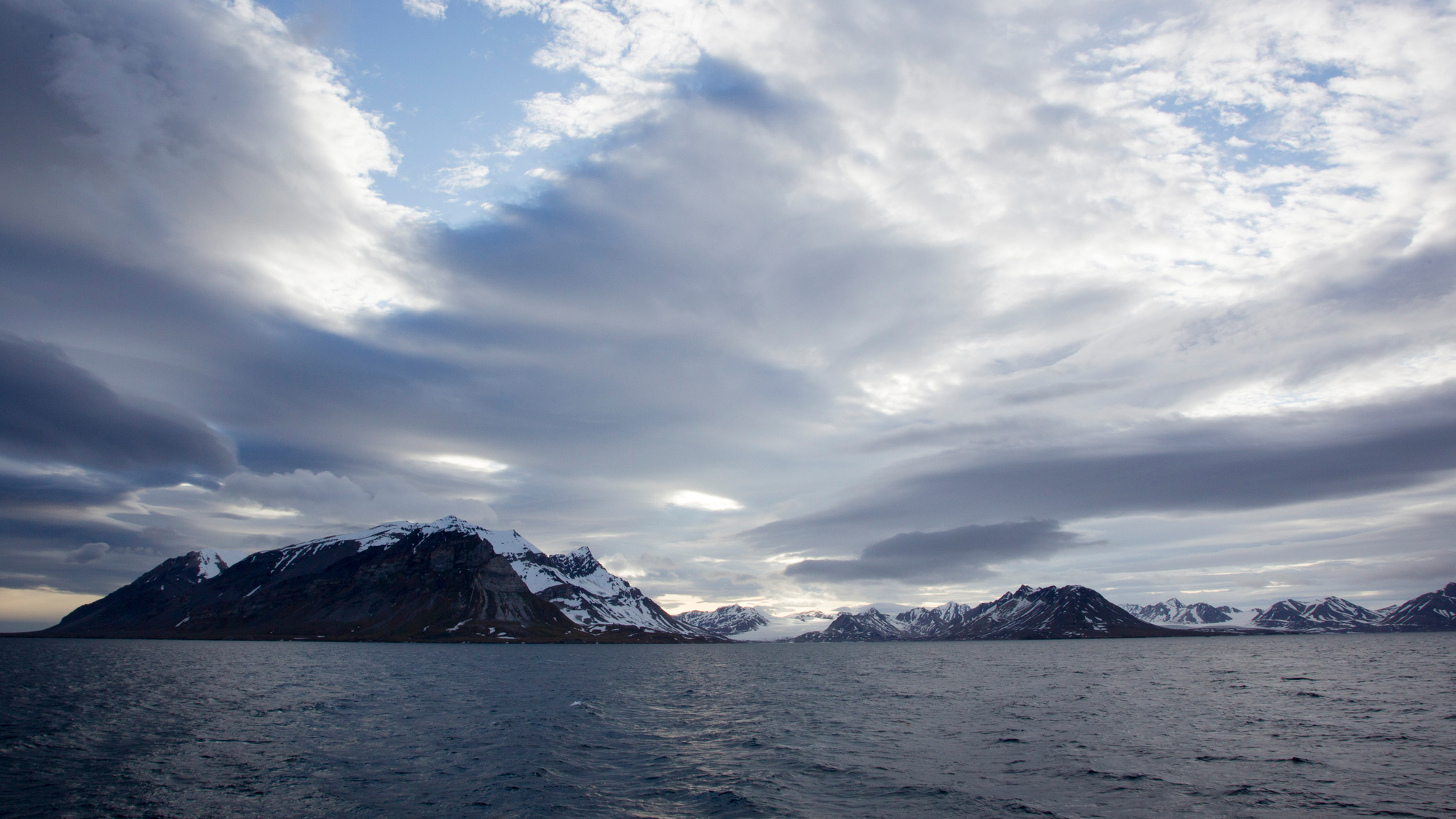
Climate change is one of the major challenges of our time. From shifting weather patterns that threaten food production, to rising sea levels that increase the risk of catastrophic flooding, the impacts of climate change are global in scope and unprecedented in scale.

Countering Terrorism
Each year, thousands of innocent lives are shattered by terrorist violence driven by violent extremism. To counter this threat, the international community must strengthen cooperation in preventing and combating terrorism.

Crisis and Emergency Response
Humanitarian crises are intensifying due to conflict and climate change. The United Nations, through OCHA, leads efforts to bring the world together to tackle humanitarian emergencies and save the lives of people caught in crises.
Decolonization
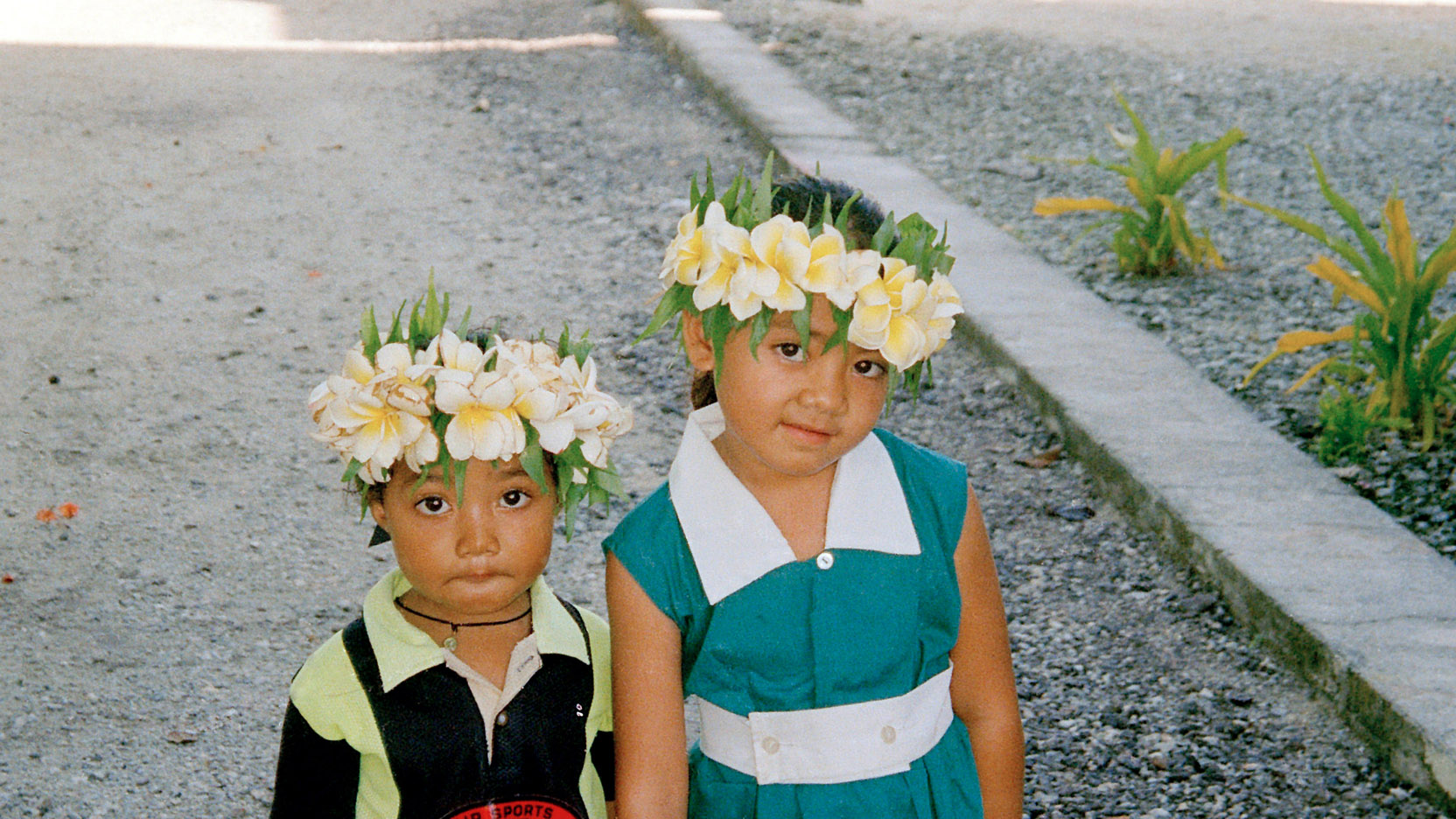
The wave of decolonization, which changed the face of the planet, was born with the UN and represents the world body’s first great success. As a result of decolonization many countries became independent and joined the UN.

Democracy
Democracy is a universally recognized ideal and is one of the core values and principles of the United Nations. Democracy provides an environment for the protection and effective realization of human rights.
Disarmament
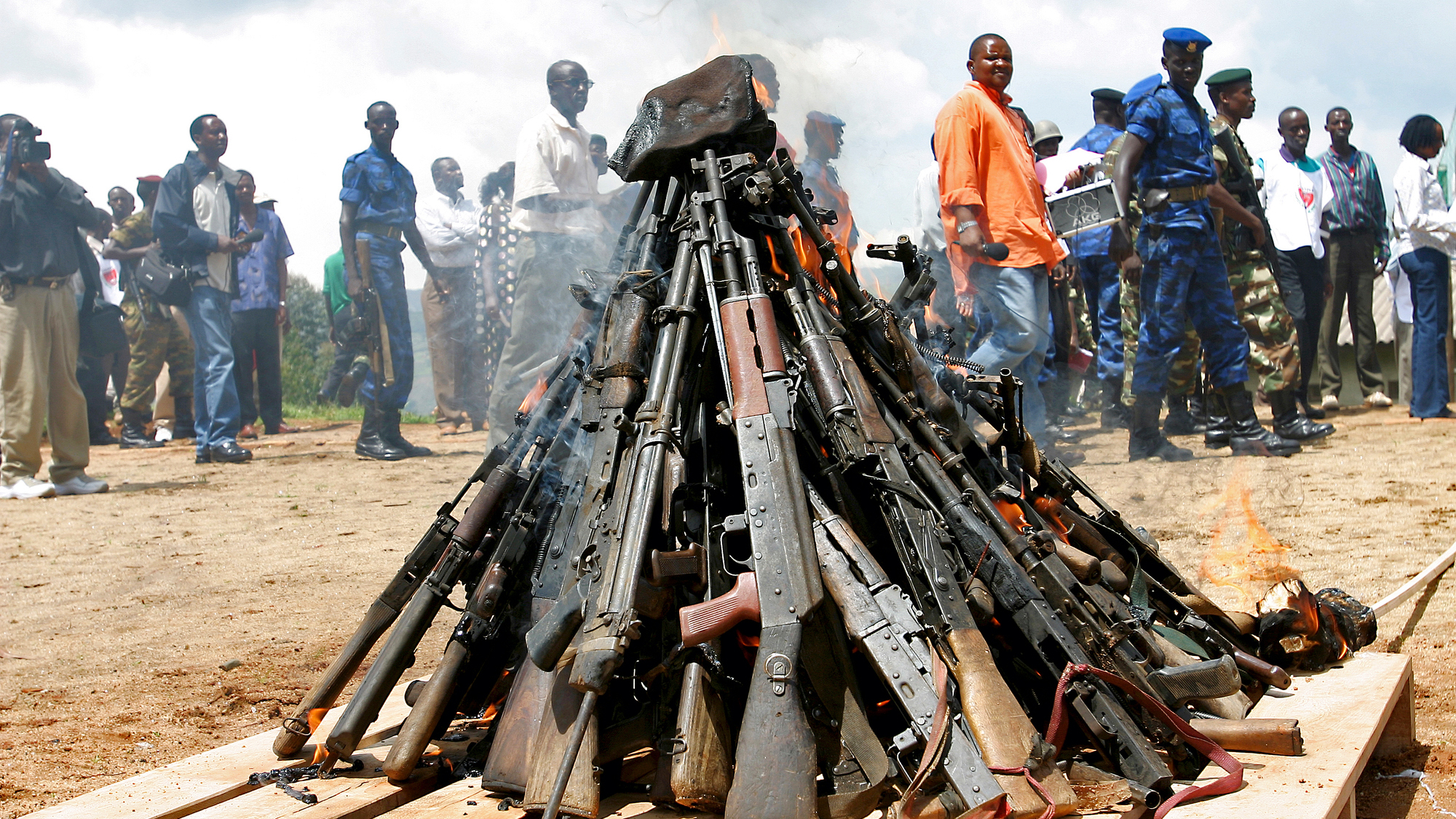
Since the birth of the United Nations, the goals of multilateral disarmament and arms limitation have been central to the Organization’s efforts to maintain international peace and security.

Drugs
Illegal drugs are the source of immense human suffering. Those most vulnerable, especially young people, bear the brunt of this crisis. People who use drugs and those struggling with addiction face a multitude of challenges.
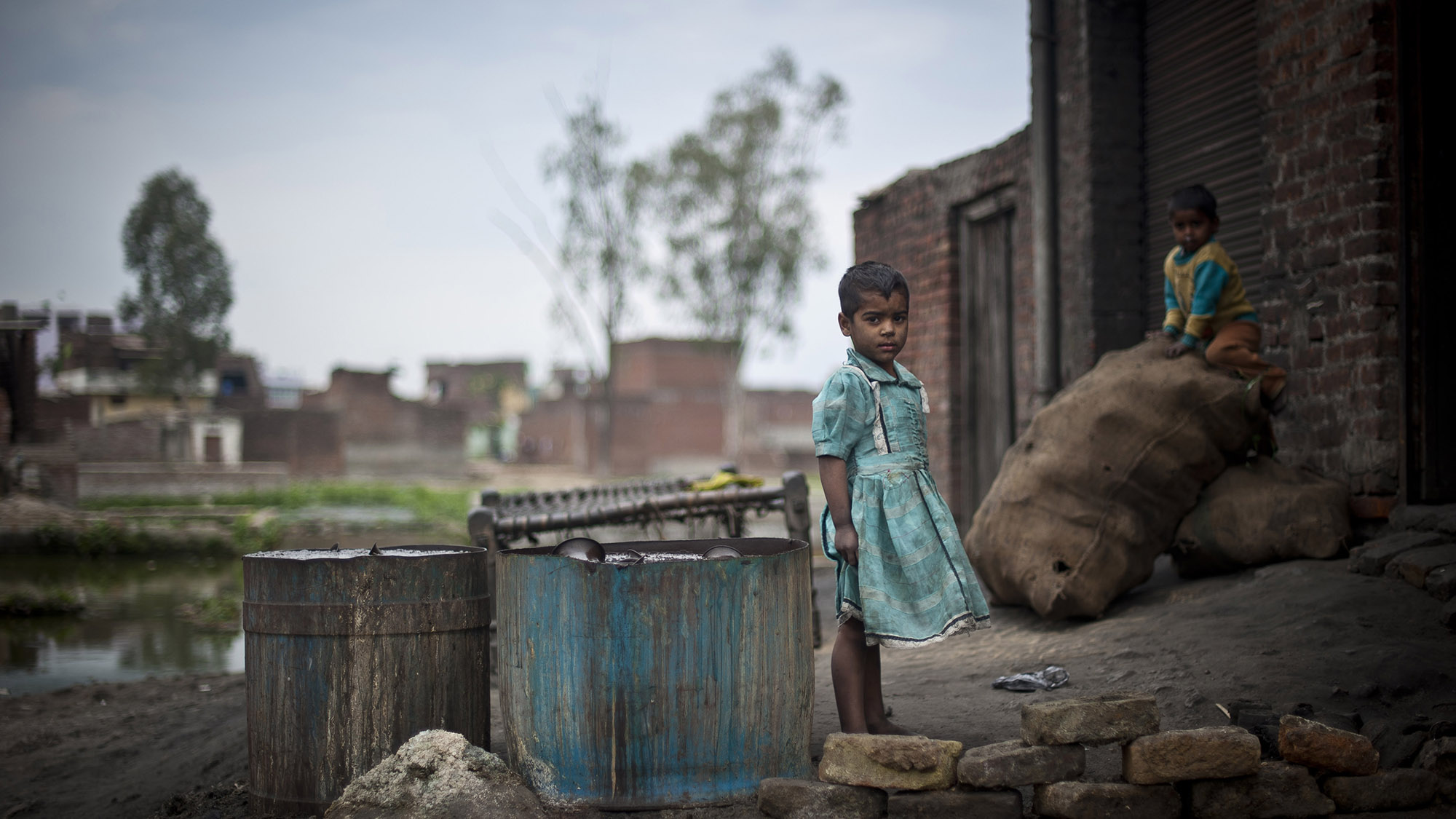
Ending Poverty
At current rates of progress, the world is unlikely to meet the global goal of ending extreme poverty by 2030, with estimates suggesting that more than 600 million people will still be living in extreme poverty.
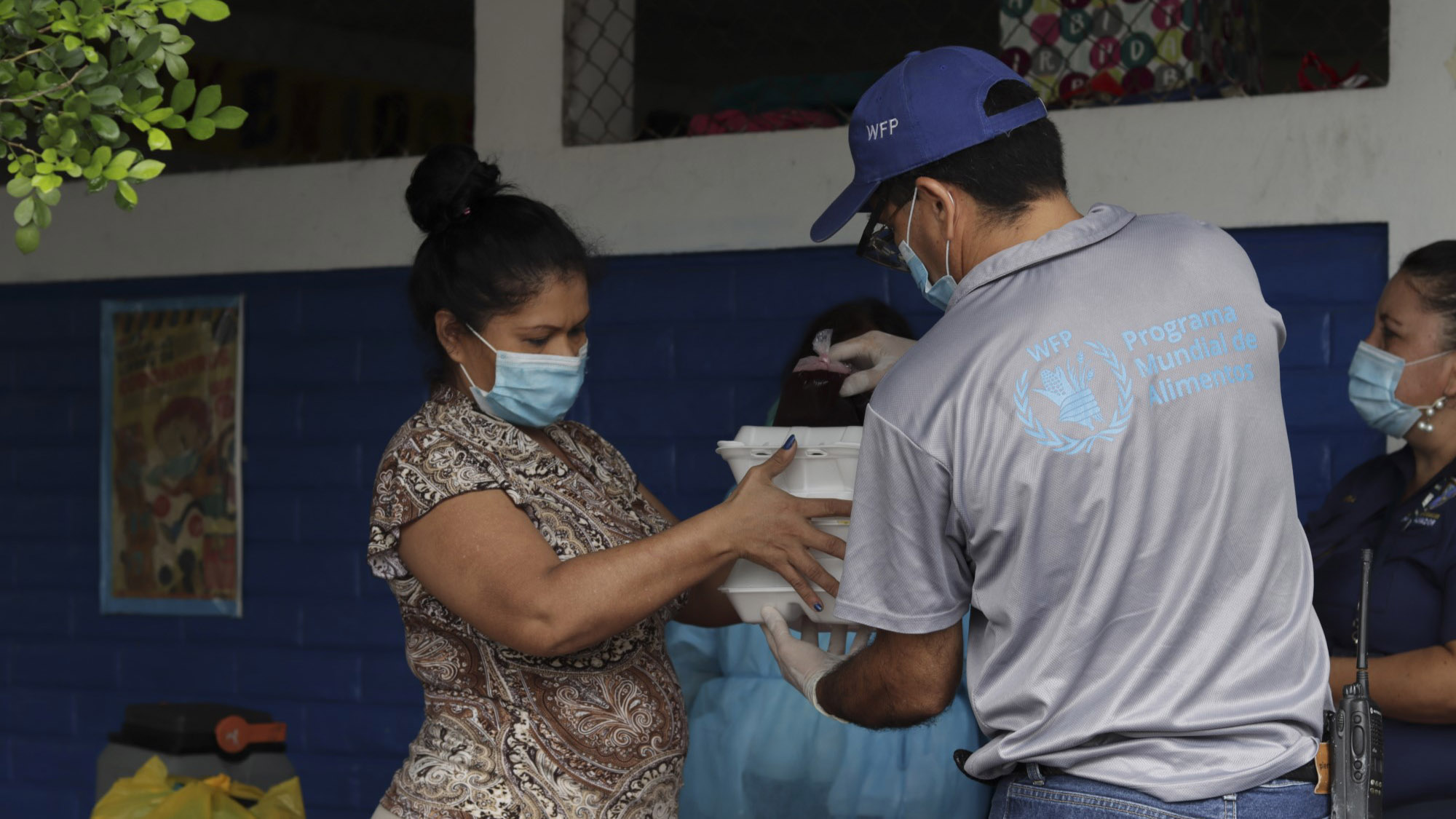
Food
The world is still far off track to achieve Sustainable Development Goal (SDG) 2, Zero Hunger by 2030, with the global prevalence of undernourishment persisting at nearly the same level for three consecutive years after having risen sharply in the wake of the COVID-19 pandemic.
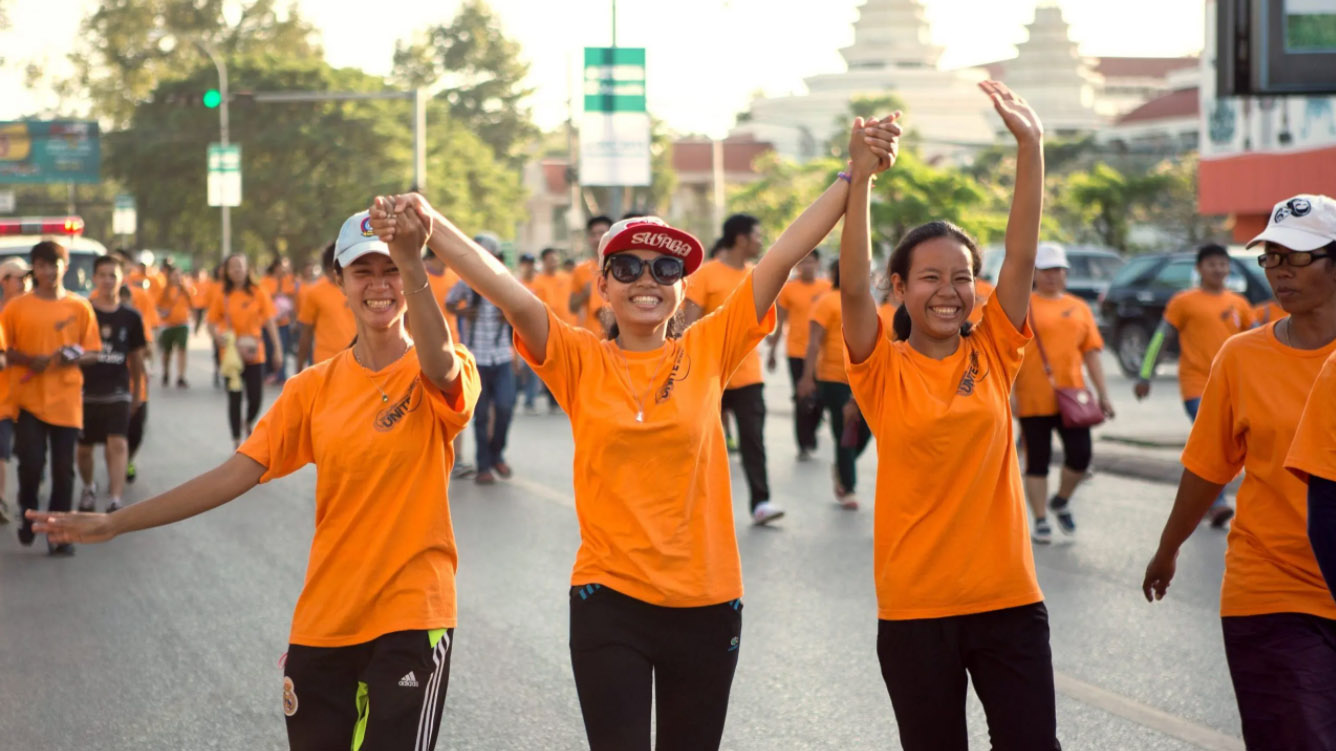
Gender Equality
Women and girls represent half of the world’s population and, therefore, also half of its potential. Gender equality, besides being a fundamental human right, is essential to achieve peaceful societies, with full human potential and sustainable development.
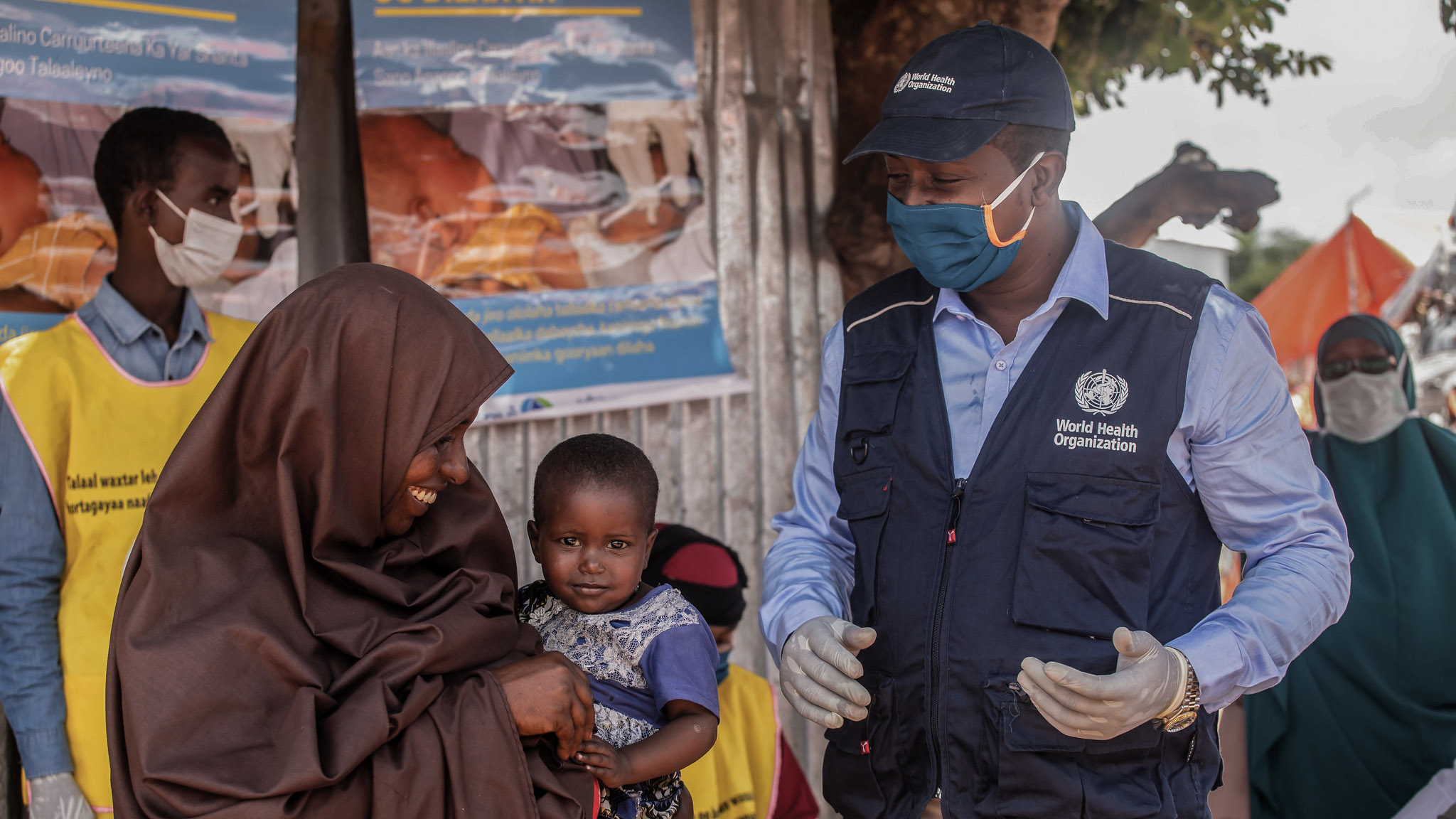
Health
The United Nations, since its inception, has been actively involved in promoting and protecting good health worldwide. Leading that effort within the UN system is the World Health Organization (WHO), whose constitution came into force on 7 April 1948.
Human Rights
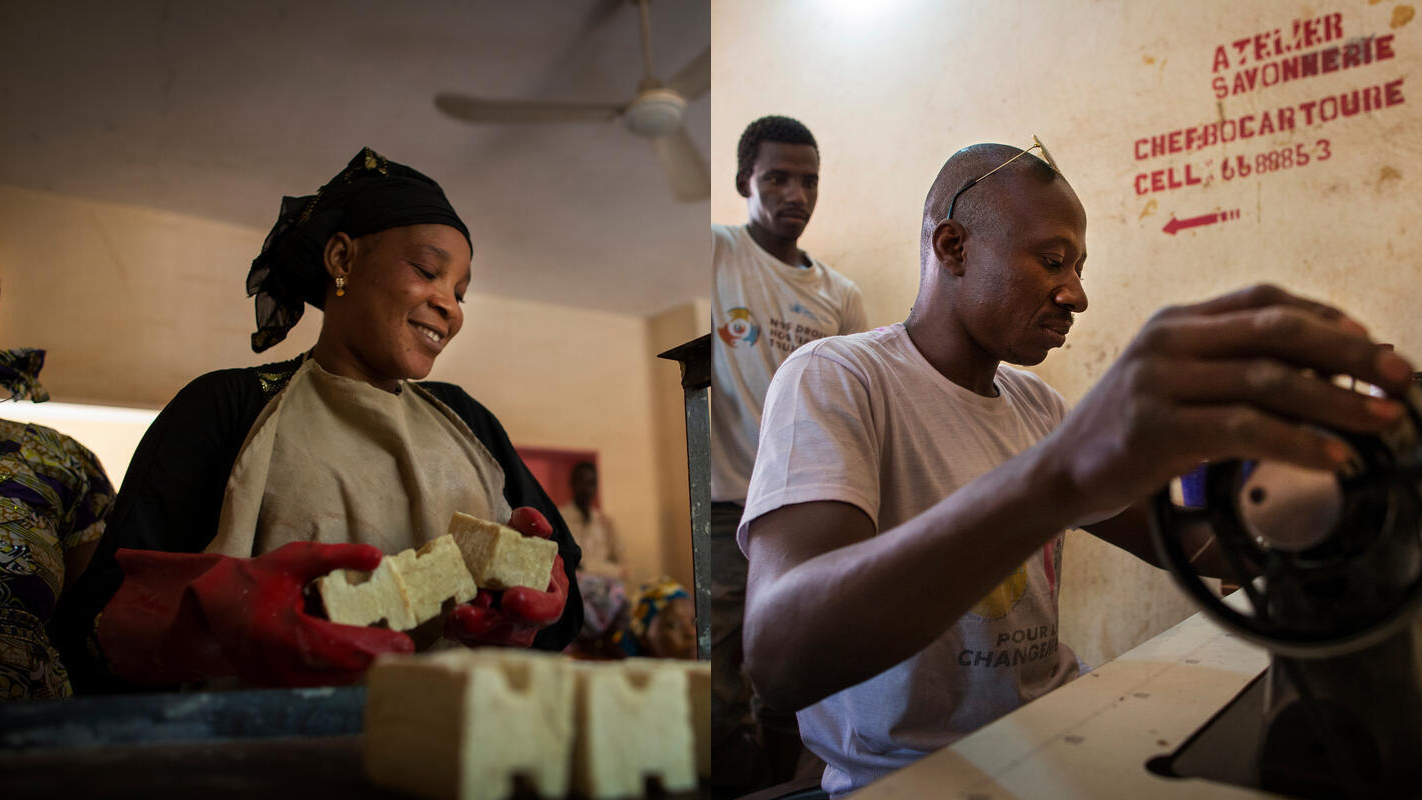
Promoting respect for human rights is a core purpose of the United Nations and defines its identity as an organization for people around the world. Member States have mandated the Secretary-General and the UN System to help them achieve the standards set out in the UN Charter and the Universal Declaration of Human Rights.

Human Settlements
Human settlements are the foundation of human existence, shaping how we live, work, and connect with each other and the environment.
International Law and Justice
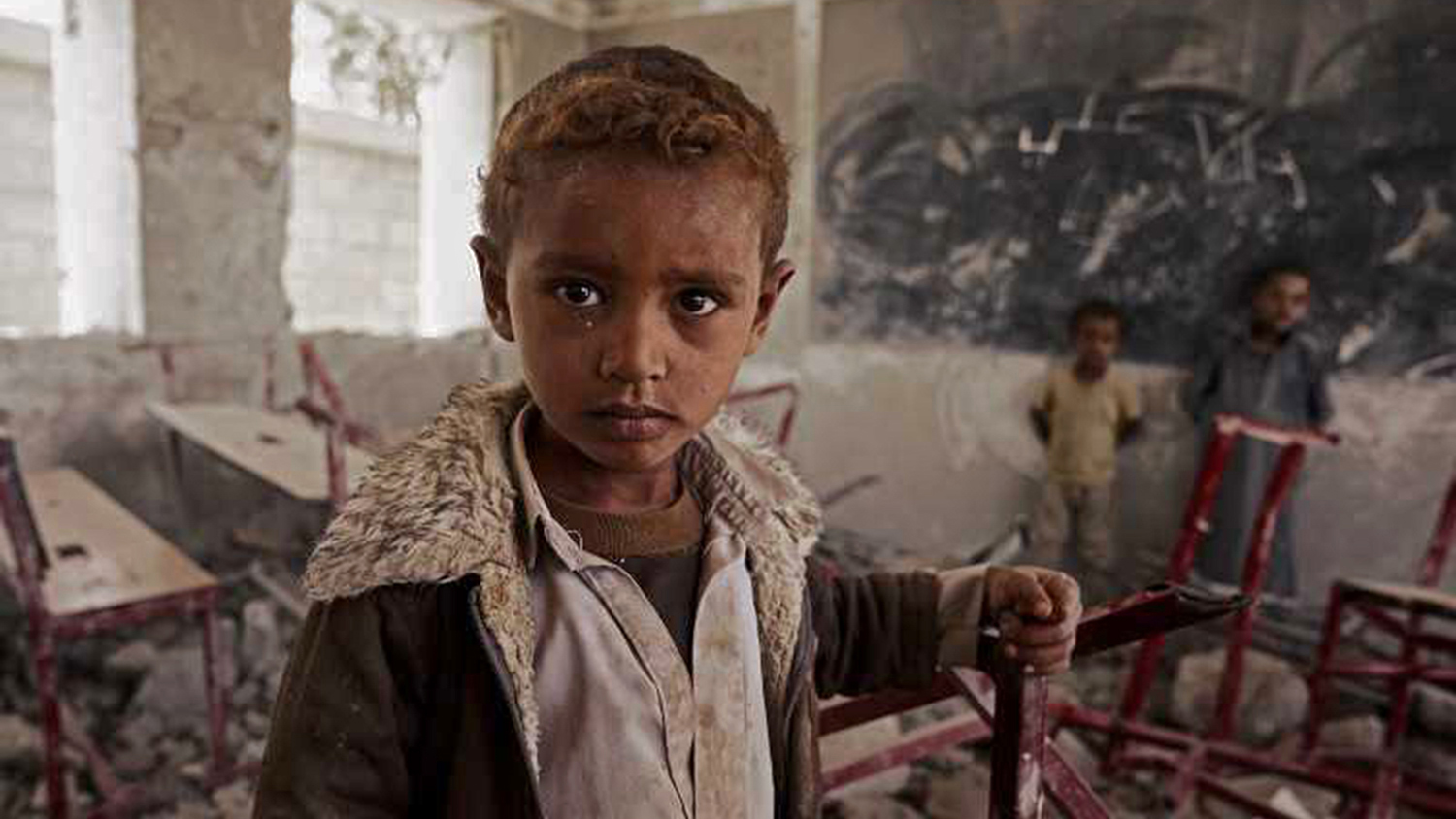
The UN continues to promote justice and international law across its three pillars of work: international peace and security, economic and social progress and development, and respect for human rights and fundamental freedoms.
International migration
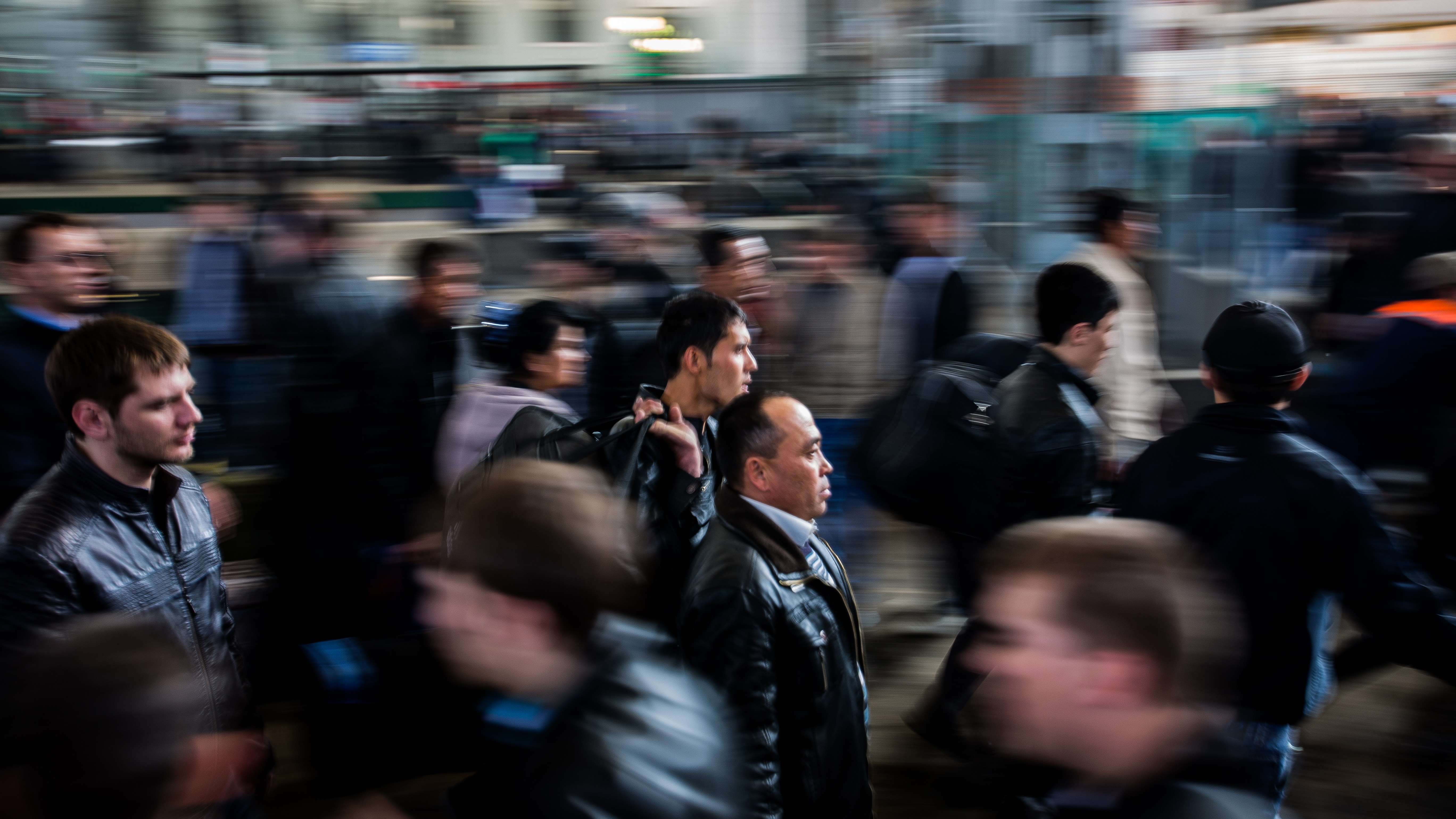
Since the earliest times, humanity has been on the move. Today, more people than ever before live in a country other than the one in which they were born.

Multilateral System
Multilateralism helps nations to confront complex global challenges through a universal approach. Standing at the heart of multilateralism, the United Nations forms the backbone of the contemporary multilateral system, serving as a platform for dialogue, cooperation, and collective action.

Oceans and the Law of the Sea
Life itself arose from the oceans. The ocean is vast, some 72 per cent of the earth's surface. Not only has the oceans always been a prime source of nourishment for the life it helped generate, but from earliest recorded history it has served for trade and commerce, adventure and discovery.

Outer Space
The space race began over five decades ago, primarily between the United States and the former Soviet Union, both aiming to reach the Moon first. Today, escalating security threats from outer space highlight the need for a legally binding agreement to ensure its peaceful use.
Peace and Security
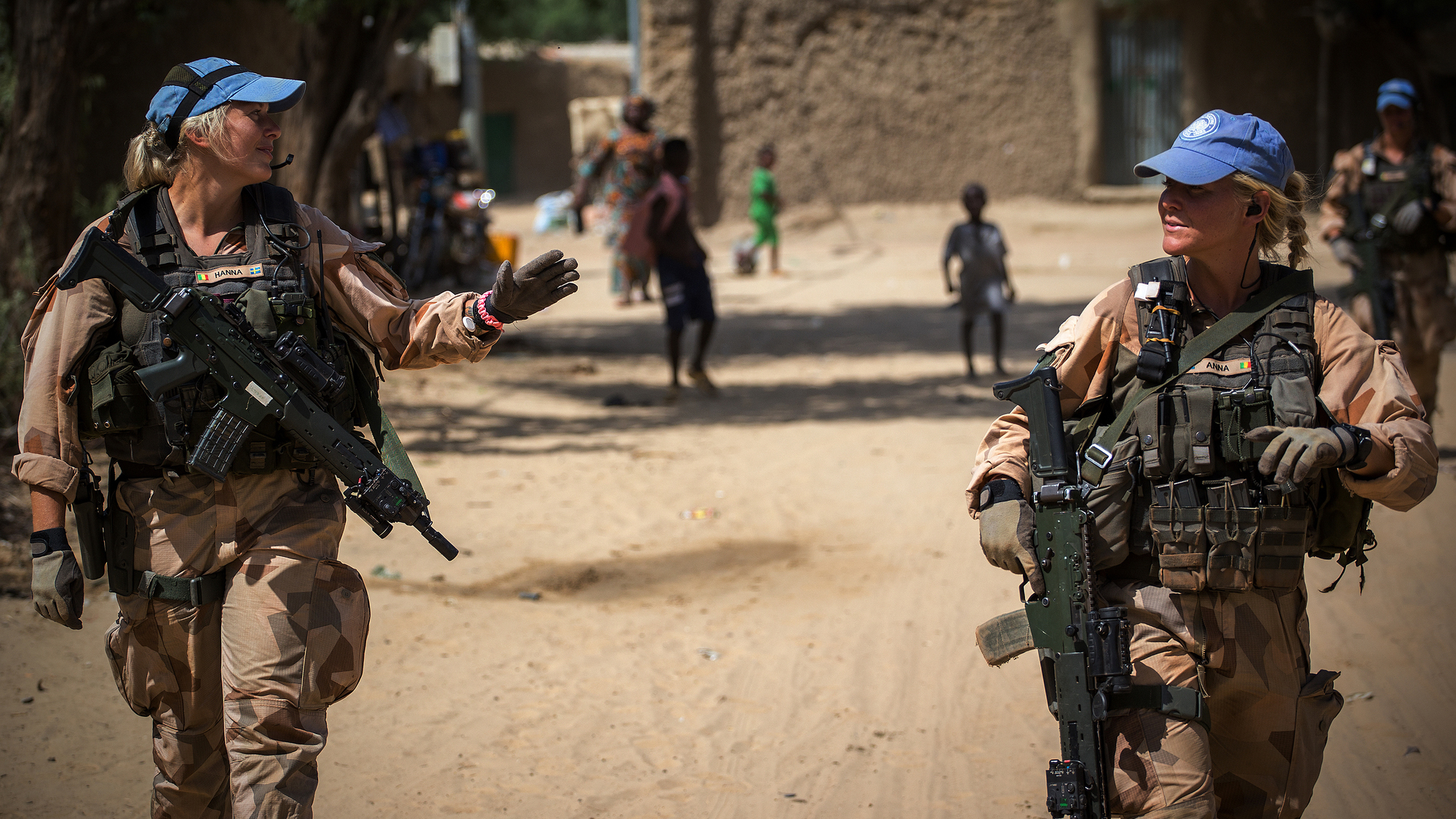
Saving succeeding generations from the scourge of war was the main motivation for creating the United Nations, whose founders lived through the devastation of two world wars.
Population
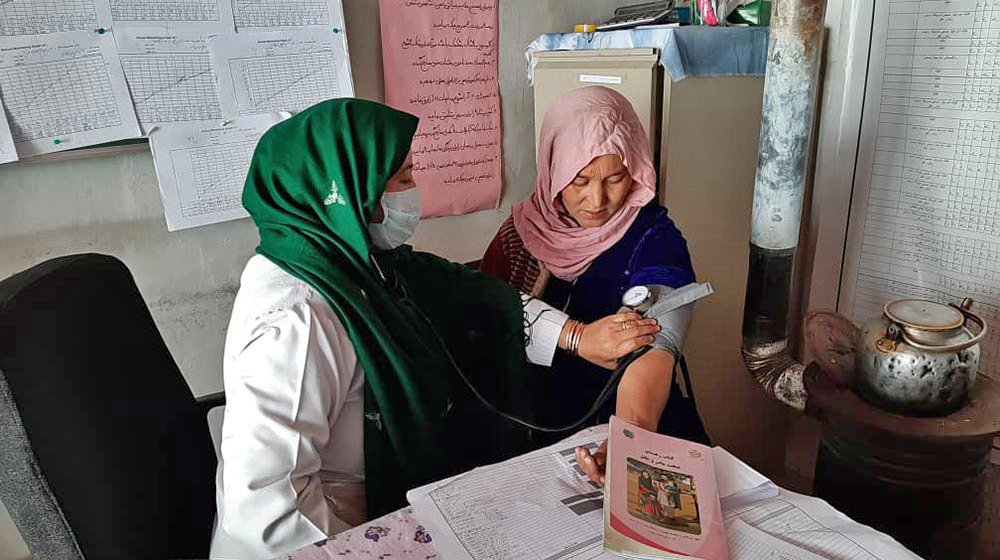
In 1950, five years after the founding of the United Nations, world population was estimated at around 2.6 billion people. It reached 5 billion in 1987 and 6 in 1999. In October 2011, the global population was estimated to be 7 billion.
Refugees
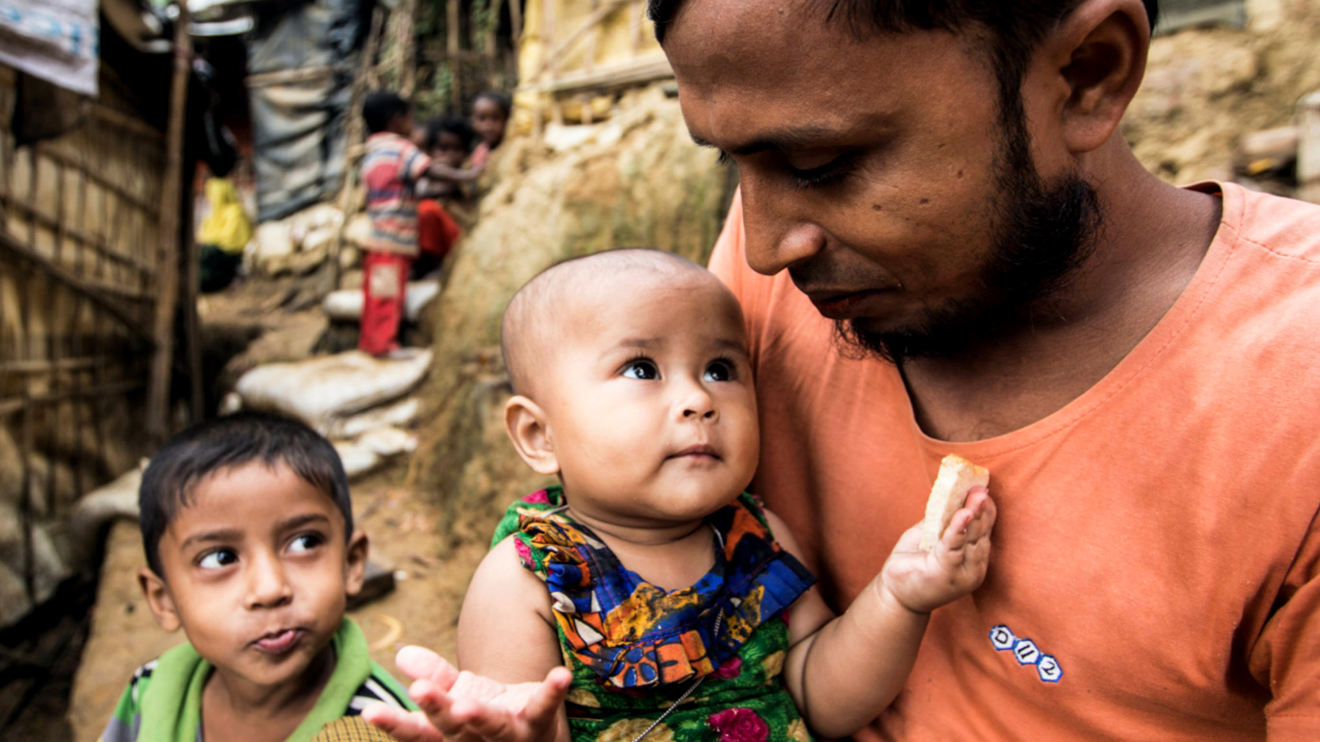
There were 122.6 million people forcibly displaced worldwide at the end of June 2024. Among those were 43.7 million refugees (32 million under UNHCR's mandate, and 6 million Palestinian refugees under UNRWA's mandate).
Water
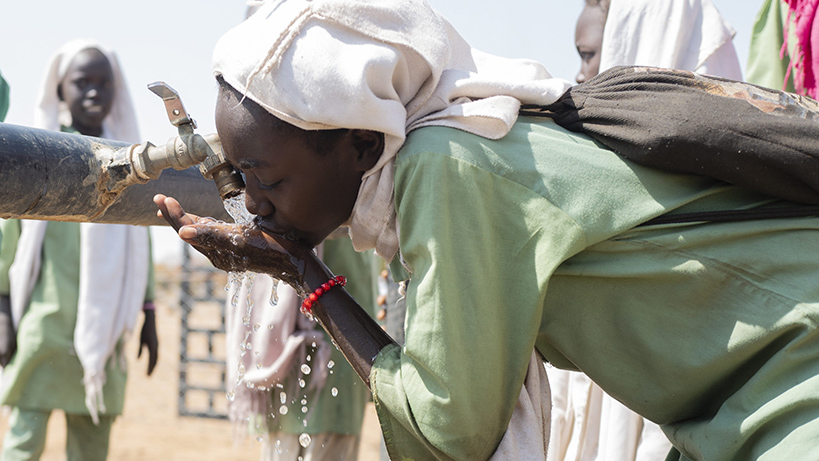
Fresh water sustains human life and is vital for human health. There is enough fresh water for everyone on Earth. However, due to bad economics or poor infrastructure, millions of people (most of them children) die from diseases associated with inadequate water supply, sanitation and hygiene.
Youth
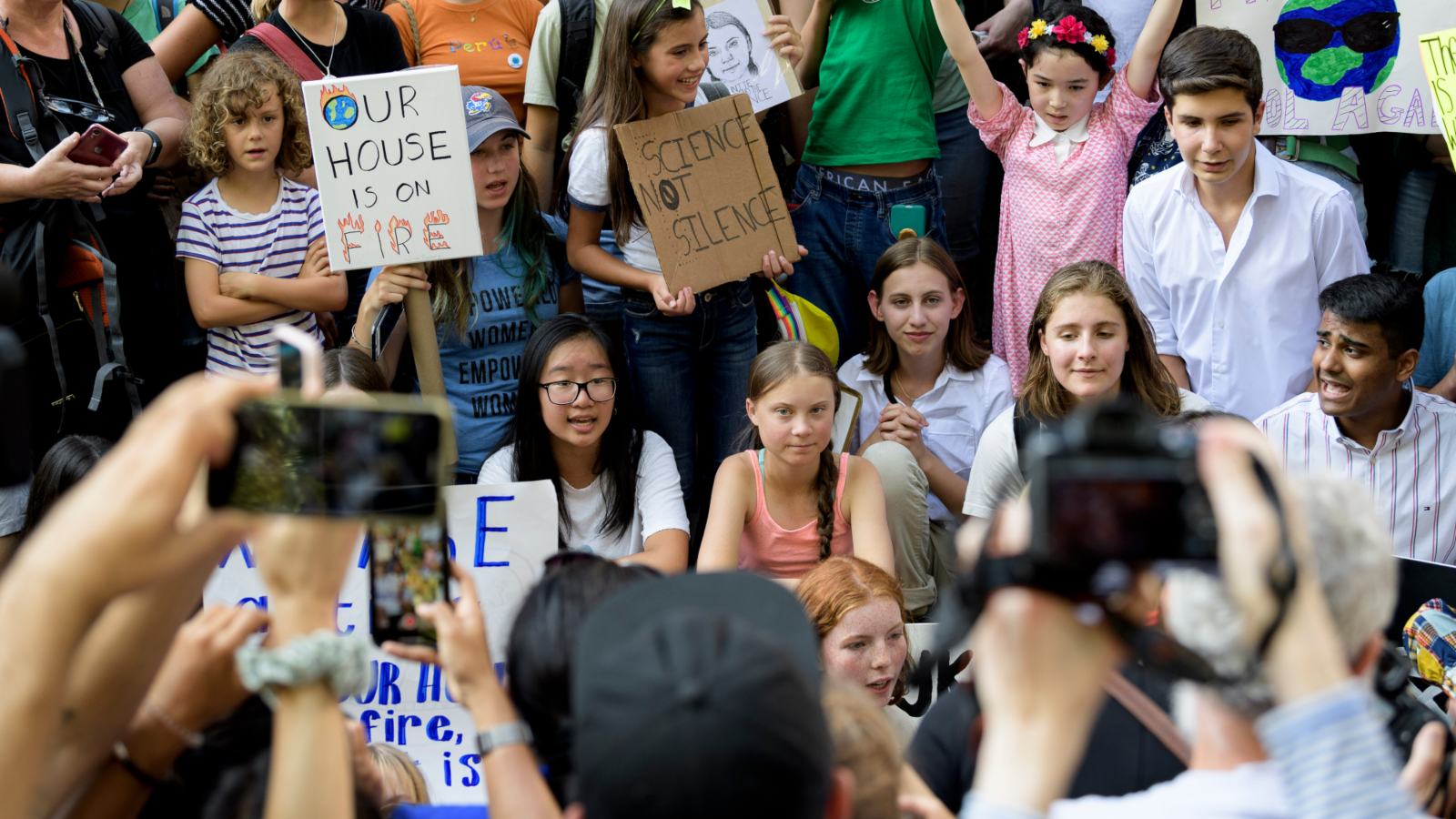
As youth are increasingly demanding more just, equitable and progressive opportunities and solutions in their societies, the need to address the multifaceted challenges faced by young people (such as access to education, health, employment and gender equality) have become more pressing than ever.
This article was originally published on the UN website page titled "Global Issues" that can be accessed through this link: https://www.un.org/en/global-issues
UN entities involved in this initiative
Goals we are supporting through this initiative